
GE M-106/RCA 262
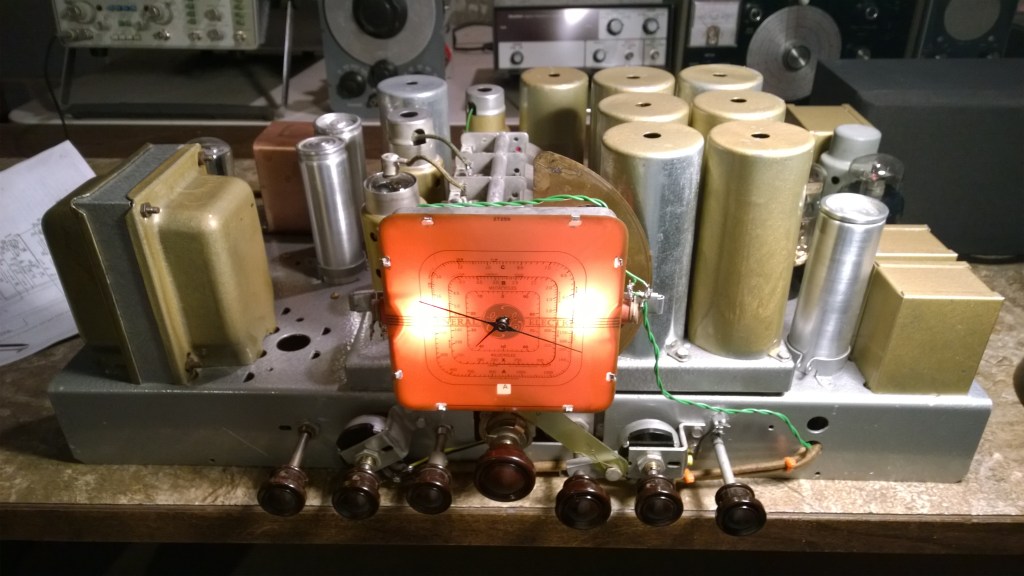

This is another example of a radio which I took completely apart and then put back together. Look at my RCA T8-18 page for some background on my antique radio restoration.
Remarks on Circuit
My RCA T8-18 page describes the theory of the superheterodyne receiver.
This radio chassis was used by both GE and RCA for radios, as RCA was a subsidiary of GE until 1932 and maintained relations for some years after. (The hobby collecting was accompanied with radio history) That part is fairly mundane. Interesting is the technical construction of the radio, which includes a daughter chassis for the high frequency sections for mechanical isolation. The tuning scheme uses a needle dial and vernier mechanisms for coarse and fine tuning. Two triodes, driven by an interstage transformer, in push pull configuration drive the interstage transformer for the push pull final output tubes. This really shows the high end aspect of this radio, since a cheaper radio would use an inverter tube and attenuation. The power supply uses two rectifier tubes with their plates in parallel, showing just how audio focused this radio was. Serious amplifier wattage for 1934. This radio otherwise has the RF section of a six tube radio.
The first 6D6 is an RF amp, the 6A7 is the mixer and local oscillator, there’s another 6D6 for IF amplification between the two IF transformers, (there are two for greater selectivity) and an 85 tube for demodulation and first audio stage. The push pull 76 and 42 tubes form the two stage audio amplifier with the interstage transformers described previously.
Ironically, because of the circuit design, this radio does not sound very good from a frequency response point of view. The transformers and filtering limit the response to maybe 10kHz or less. Playing modern sources directly to the input of this radio’s audio amp section doesn’t sound great. The one other negative I have with this radio is the lack of eye tube, but they wouldn’t be commercially manufactured until 1935.
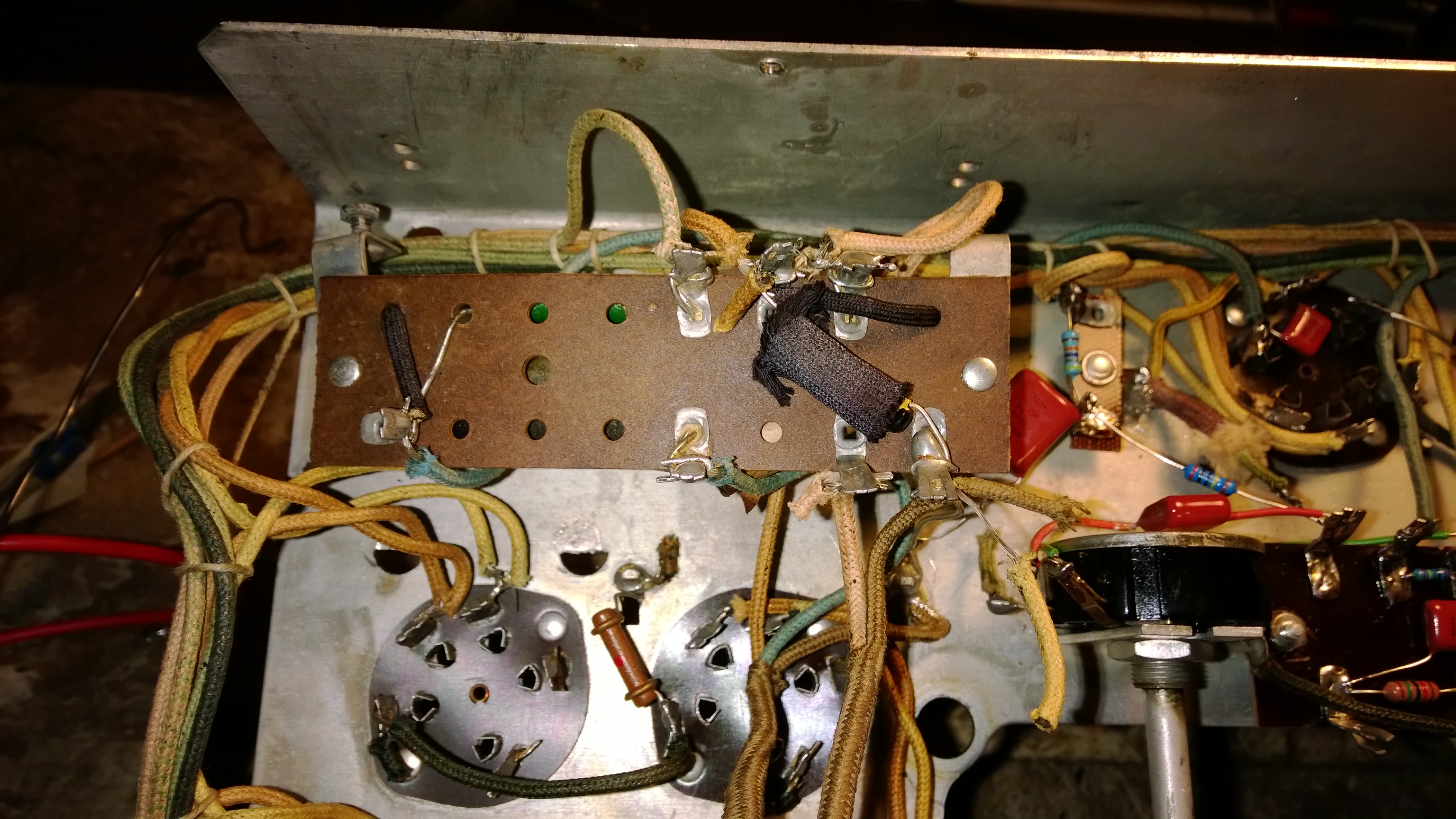
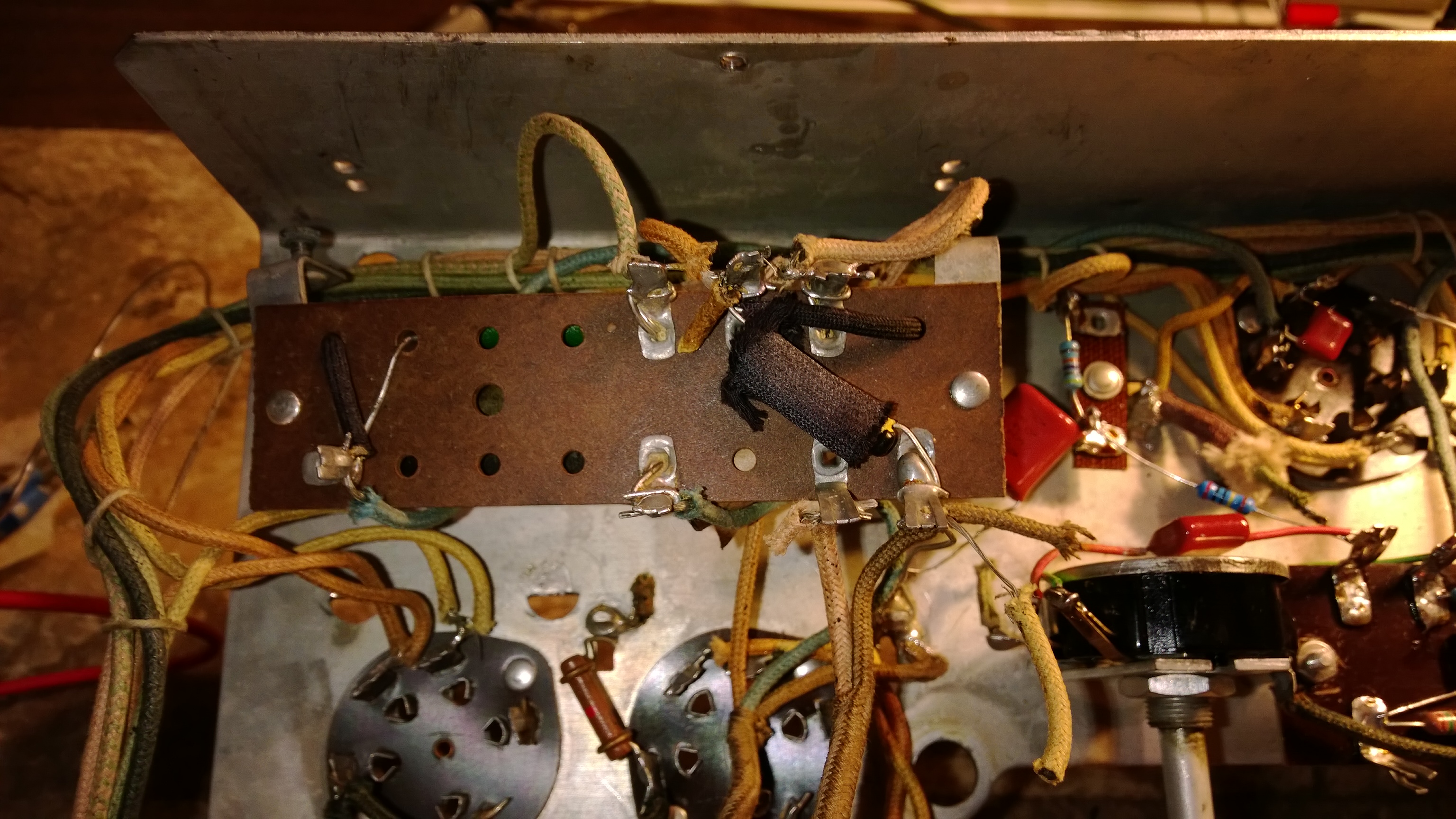
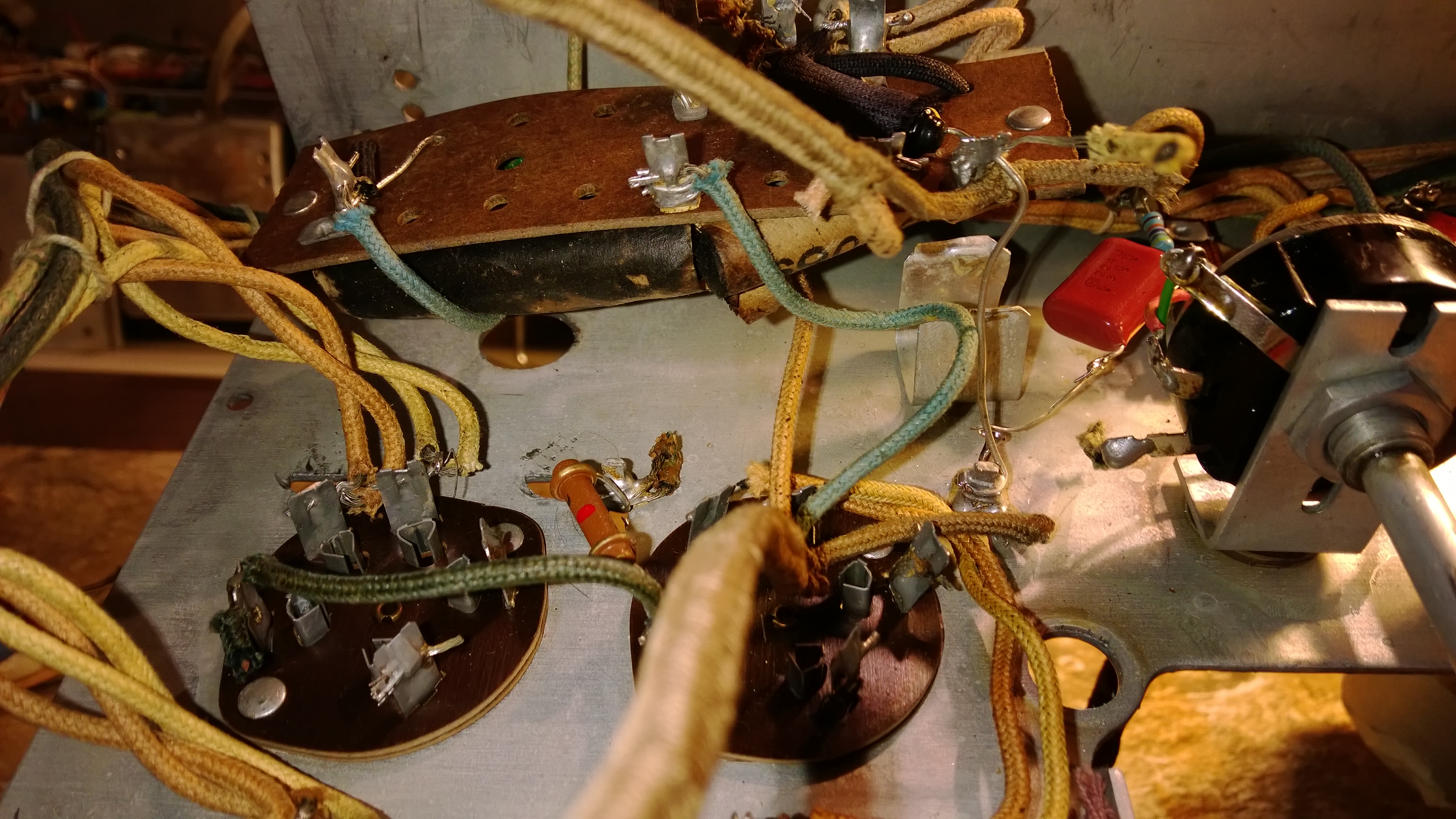

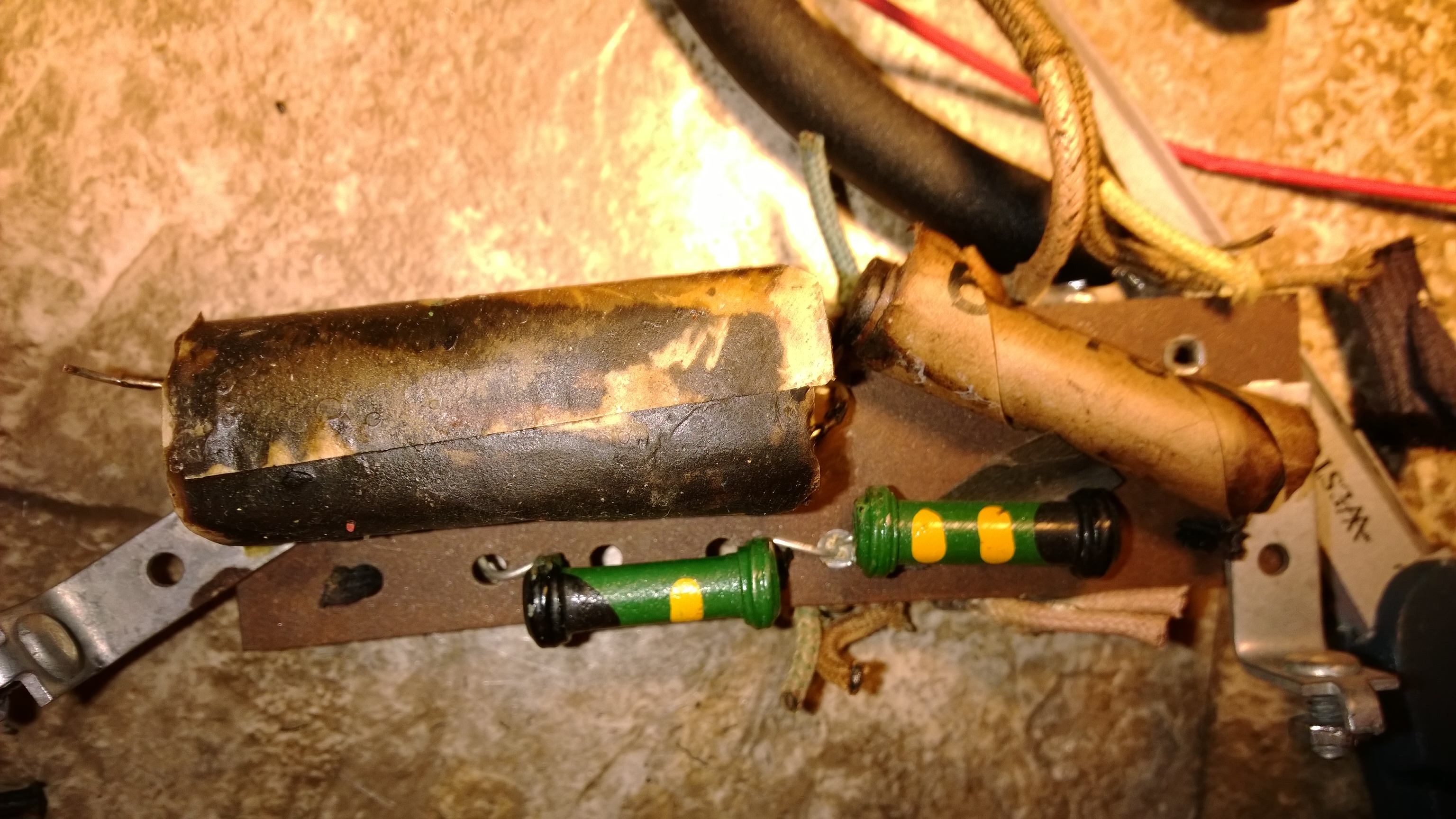


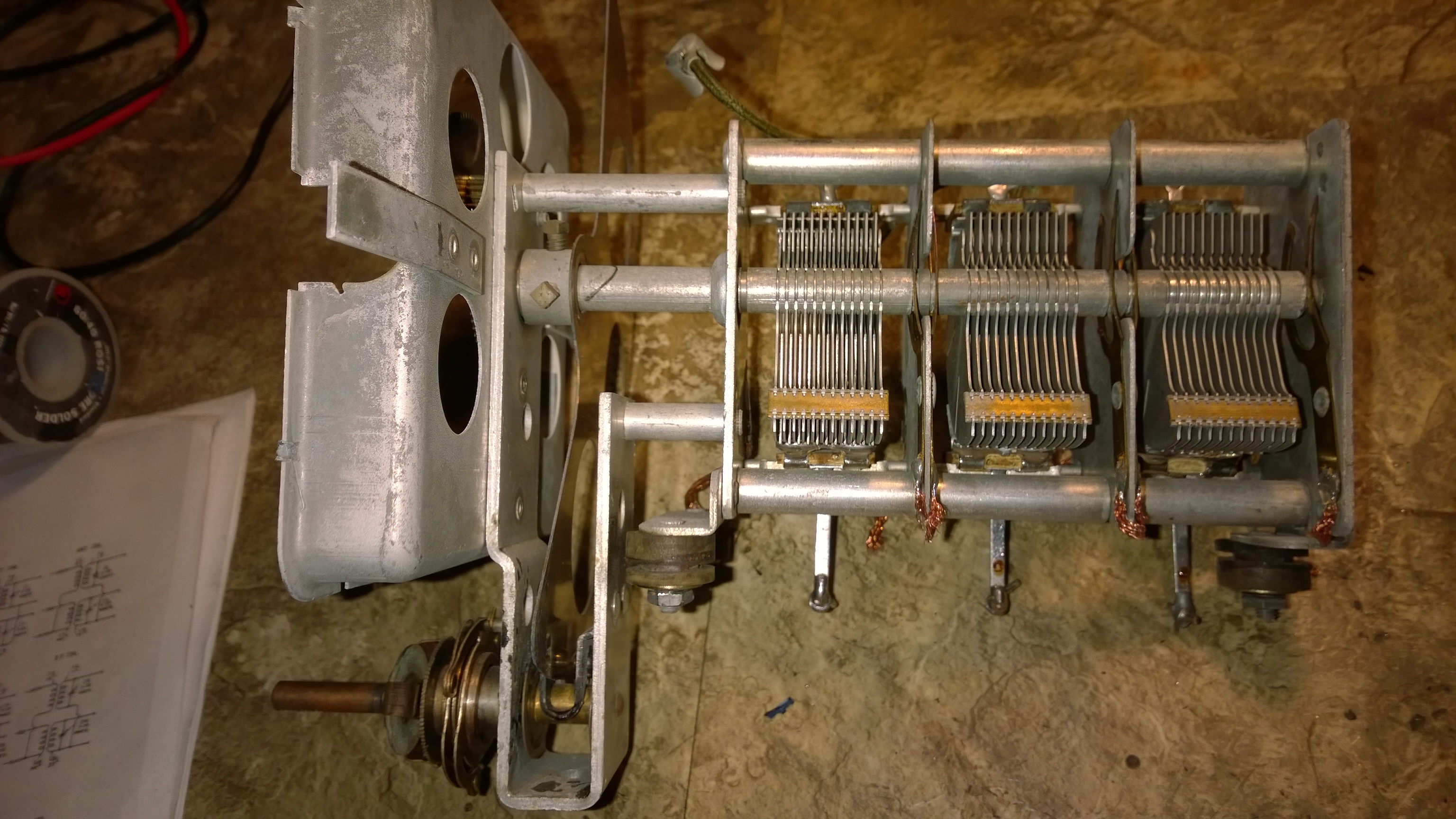

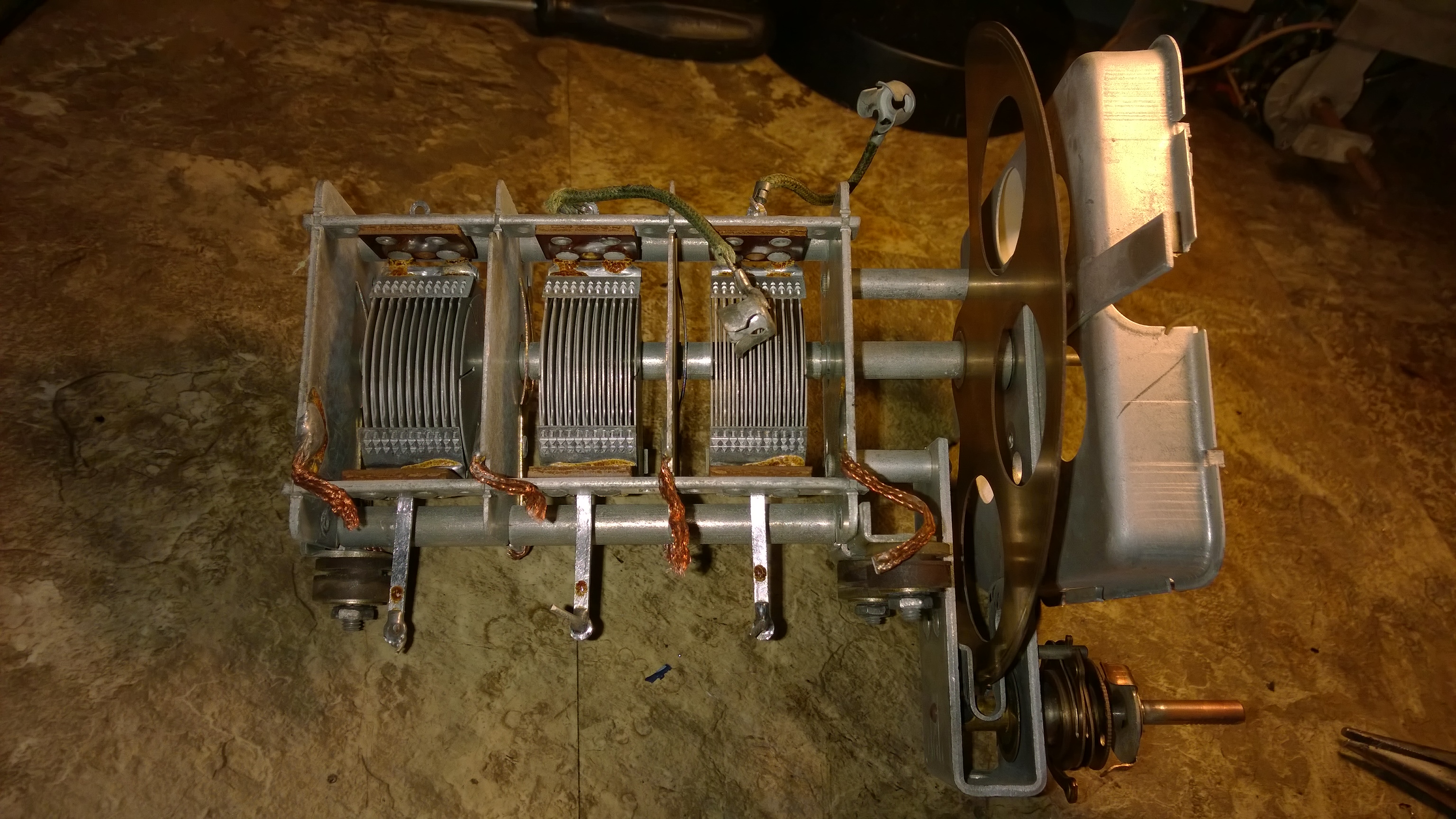

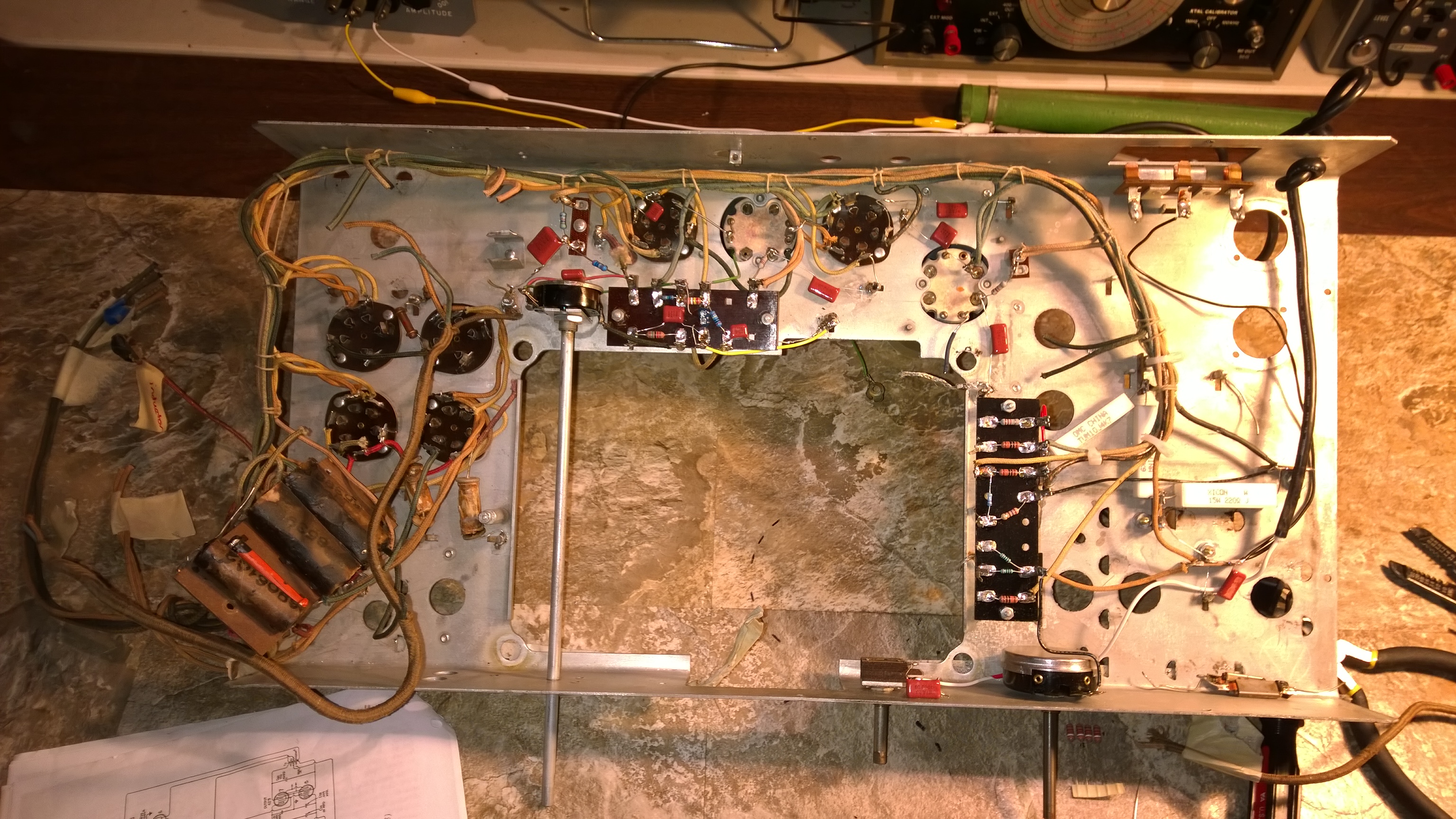


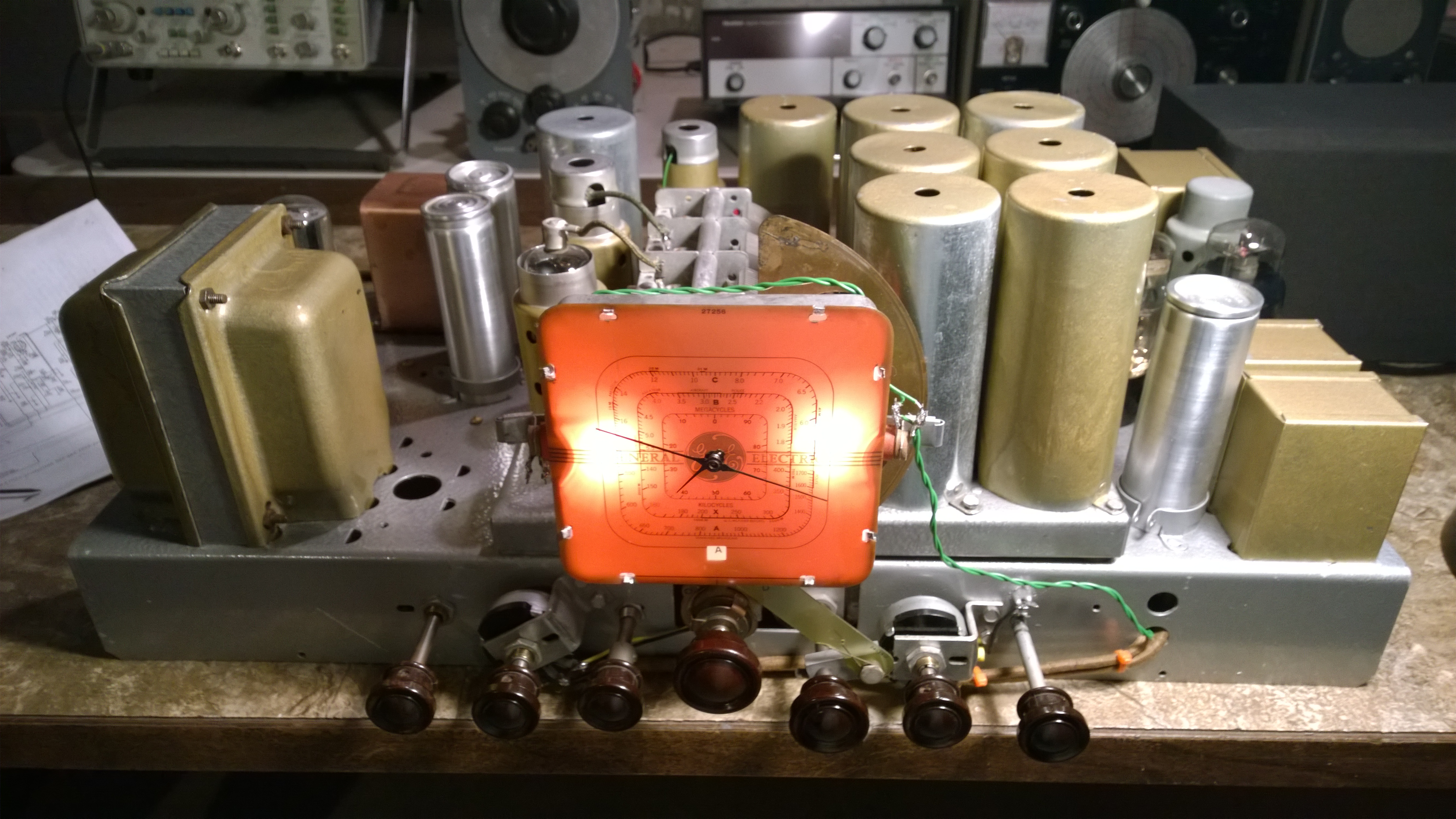

Here is the finished product again. I had to replace all the wiring except the main wire hardness, which I was very happy to be able to. Notice the replacement of those wax cardboard component mounts. They completely disintegrated and I remade them using PC board. You can also see the daughter chassis.
 PaulSide